
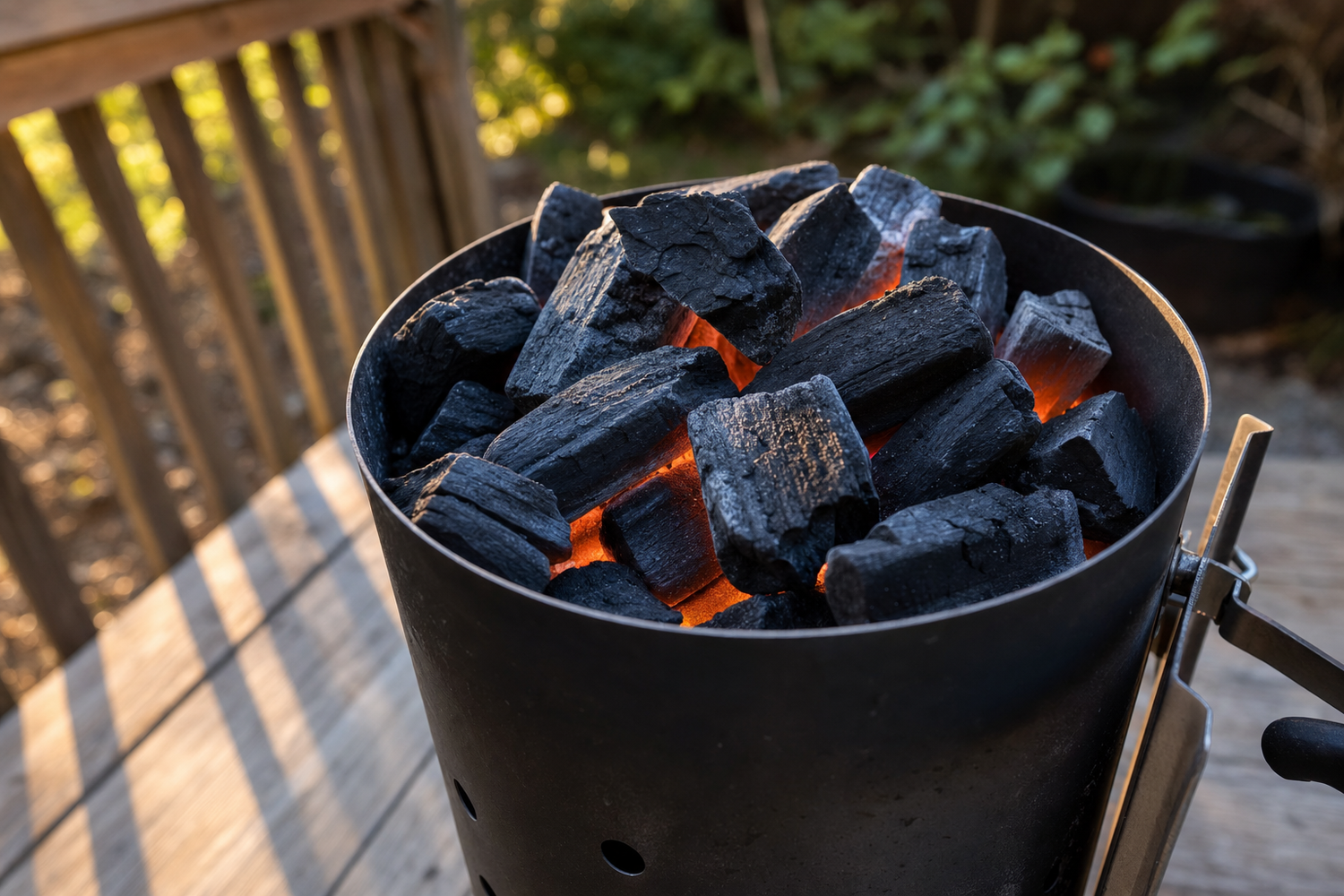
You open the bag, pour it into the chimney, and notice something: more dust, more fines, more small shards that fall through the grate and raise ash levels. Meanwhile, the receipt says you paid more than last summer. This is not your imagination. Lump charcoal prices have climbed 8-12% over the past year, and the product inside those bags has quietly gotten worse. Understanding why -- and what it means for every cook you do this season -- is more useful than any gadget you might buy.

The Numbers Behind the Price Jump
The U.S. Energy Information Administration tracks wood and charcoal commodity pricing alongside broader energy markets. Hardwood supply chains have faced compounding pressure: post-pandemic logistics costs, elevated diesel prices for transport, and tighter forestry regulations in key producing regions. The Hearth, Patio and Barbecue Association has noted upward pressure on all solid-fuel products, with lump charcoal feeling it more acutely than briquettes due to its less standardized supply chain. A 20-pound bag that cost $19 in 2023 now runs $21-$23 in many markets.
Shrinkflation: The Hidden Price Increase
Price-per-bag is only part of the story. Bag weights have been quietly shrinking. Consumer Reports has documented shrinkflation broadly across consumer products, and the charcoal aisle is no different. A bag labeled 20 lbs at the same shelf position as last year may now contain 18 lbs. If the list price went up 10% and net weight dropped 10%, you are effectively paying about 20% more per pound of usable charcoal.
More Fines, Less Fire
As smaller producers get acquired by larger distributors -- or simply exit the market -- production standards have loosened. The result is a higher ratio of fines (charcoal dust and shards under 1 inch) to usable lump pieces. Threads in r/BBQ on Reddit have documented this pattern consistently, with grillers comparing bags from the same brand across years and finding more dust and fewer palm-sized pieces that hold heat across a long cook. Fines fall through grates, create ash faster, don't hold temperature, and increase flare-up risk. A bag that looks like 20 lbs may deliver the functional heat of 16 lbs of quality lump.
Why Heat Efficiency Per Bag Matters More Now
When charcoal quality and quantity both decline, the smart response is to get more cooks per bag by minimizing wasted heat. This is where your grill's physical condition stops being a cosmetic issue and becomes an economic one.
Heat retention in a charcoal grill depends on how well the lid seals. A warped or pitted lid liner, degraded gasket-adjacent finish, or corroded lid edge creates small leaks where heat escapes. You compensate by using more charcoal, burning hotter, or shortening cook times -- all of which reduce quality and burn through expensive fuel faster. A lid interior that has maintained its finish integrity holds heat better and extends the useful life of every bag you buy.

This is the real argument for treating your grill's finish as a functional component. Grillacoat was designed for the exterior and lid liner surfaces that take the most abuse -- the surfaces that degrade silently and cost you heat efficiency before you notice the finish deteriorating. A maintained lid finish means better heat retention, which means more output from each bag of charcoal.
What to Look for When Buying Lump Now
A few practices help you get better value in the current market. First, weigh bags at home if possible to confirm net weight. Second, buy from brands that list the manufacturing location -- domestic production tends to have more consistent lump size. Third, store charcoal sealed in a dry location, since moisture absorption causes fines to clump and reduces heat output. Finally, use a chimney starter to ignite only what you need rather than over-fueling the firebox.
Protect the Equipment That Burns the Fuel
Charcoal price trends are largely outside your control. What is within your control is how efficiently your grill uses fuel. An airtight, well-maintained firebox with a clean lid interior can meaningfully reduce how much charcoal you burn per cook -- and at current prices, that adds up fast across a full grilling season.
If your lid liner is already showing rust staining, pitting, or finish degradation, those areas are actively leaking heat. A ceramic-bonded coating like Grillacoat addresses that in about 10 minutes per panel. Lump charcoal is getting more expensive and less reliable. Make sure your equipment is working hard enough to get the most out of what you put in it.