
The 24-Hour Cure Window That Decides Whether a Ceramic Grill Coating Lasts Three Seasons or Three Months
Apply tonight for Father's Day. The sol-gel chemistry that runs in the next 24 hours decides whether your ceramic coating lasts 3 seasons or 3 months.
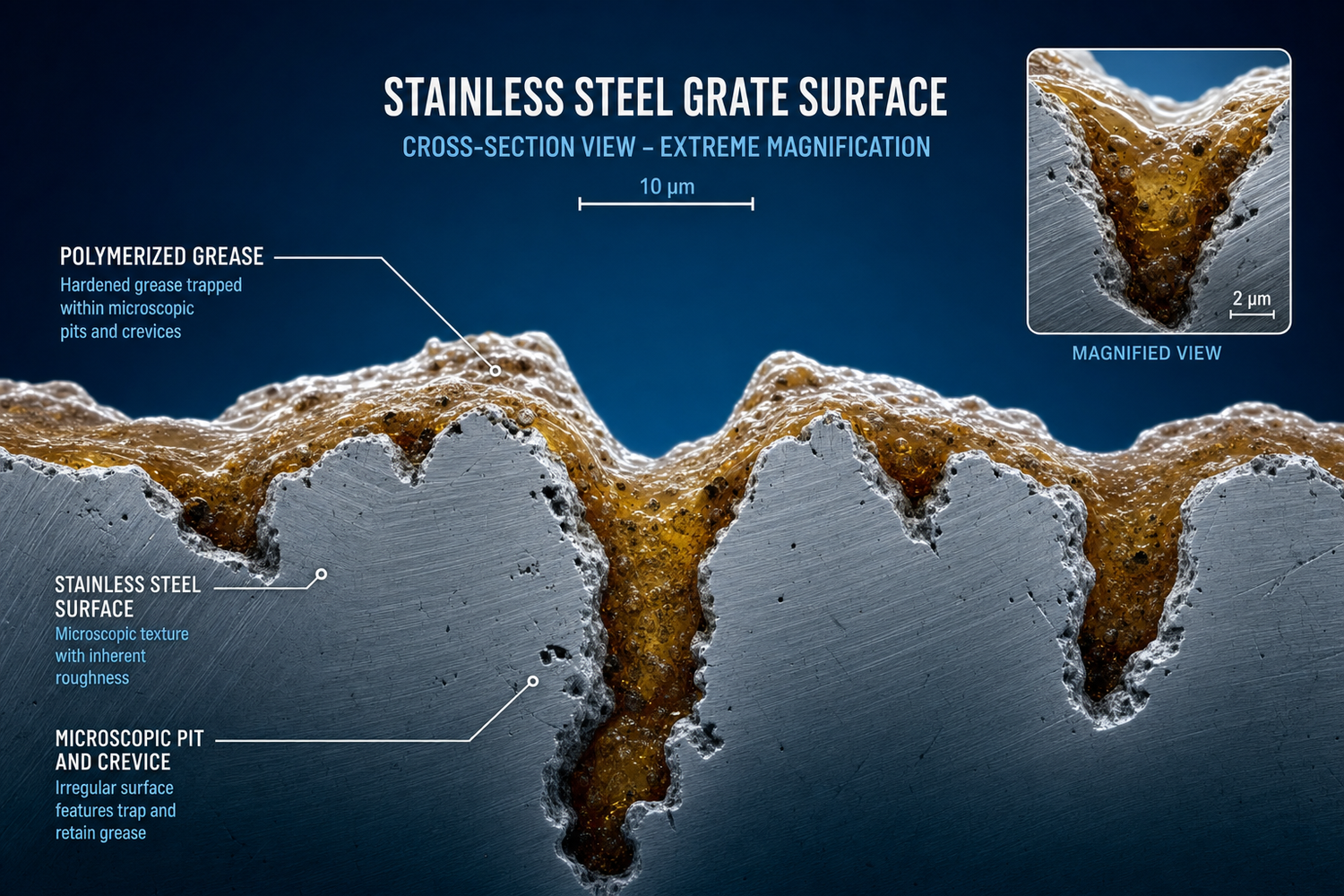
Why Last Summer's Grease Is Still On Your Grates -- The Microscopic Valleys That Turn Cooking Oil Into Chemically Bonded Carbon
Stainless grates look smooth but have 3-micron-deep valleys. Above 350F oil chemically bonds inside them via autoxidative polymerization. Here is the surface-chemistry reason brushing cannot reach the grease -- and what does.

Every "Ceramic" Grill Coating Repels Water -- The Question That Actually Matters Is Whether It Repels Grease
Water beading is the easy half of coating performance. Grease beading is the hard half -- and the only one that matters on a grill. Here is the surface-energy chemistry behind hydrophobic vs oleophobic coatings, and a 60-second oil-drop test you can run on your own grill.
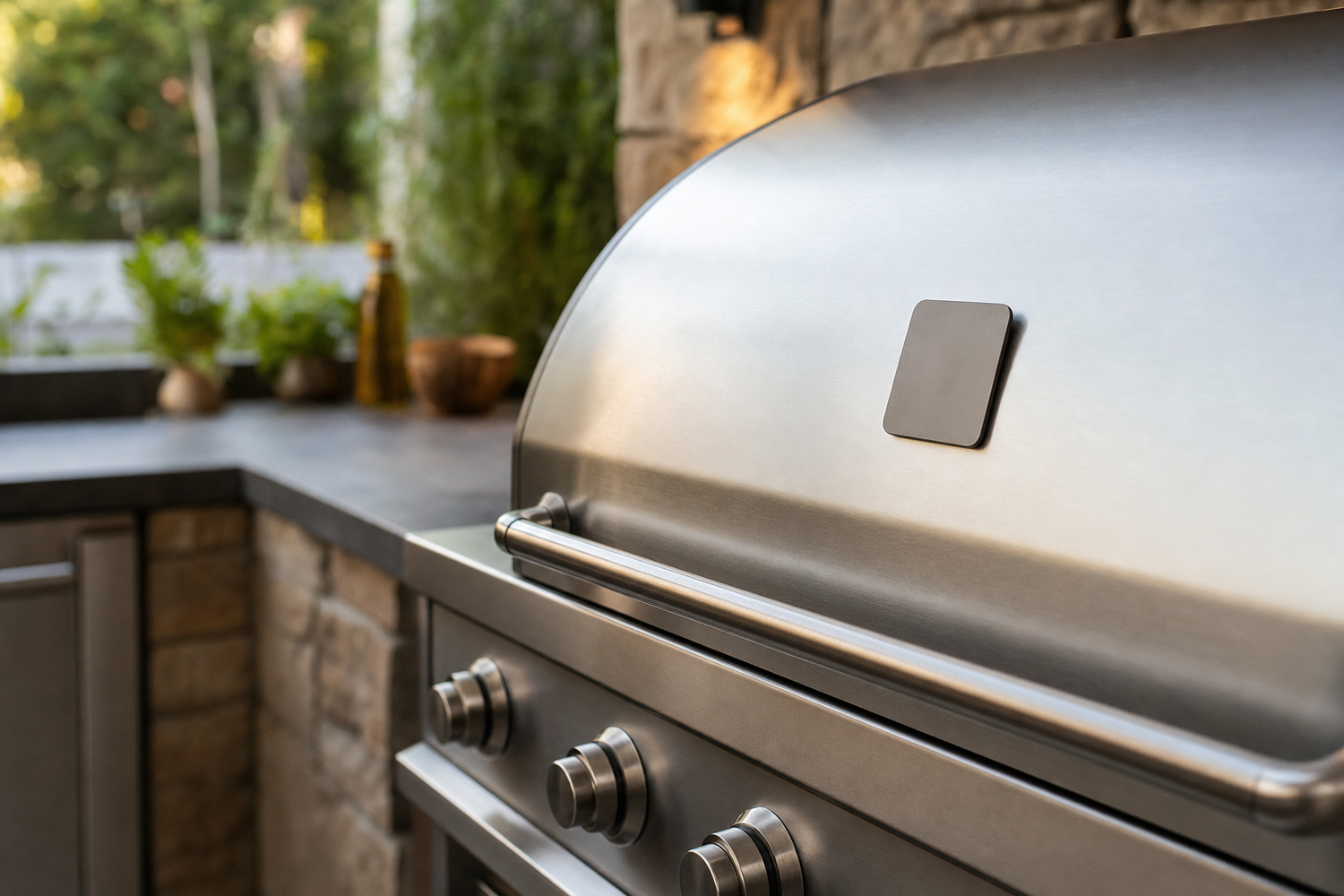
The 5-Second Magnet Test That Tells You If Your "Stainless Steel" Grill Will Rust in 18 Months
Most "stainless steel" grills are not really 304 -- they are 430, the cheaper, magnetic, rust-prone cousin. A fridge magnet tells you in five seconds, and here is what to do when it sticks.
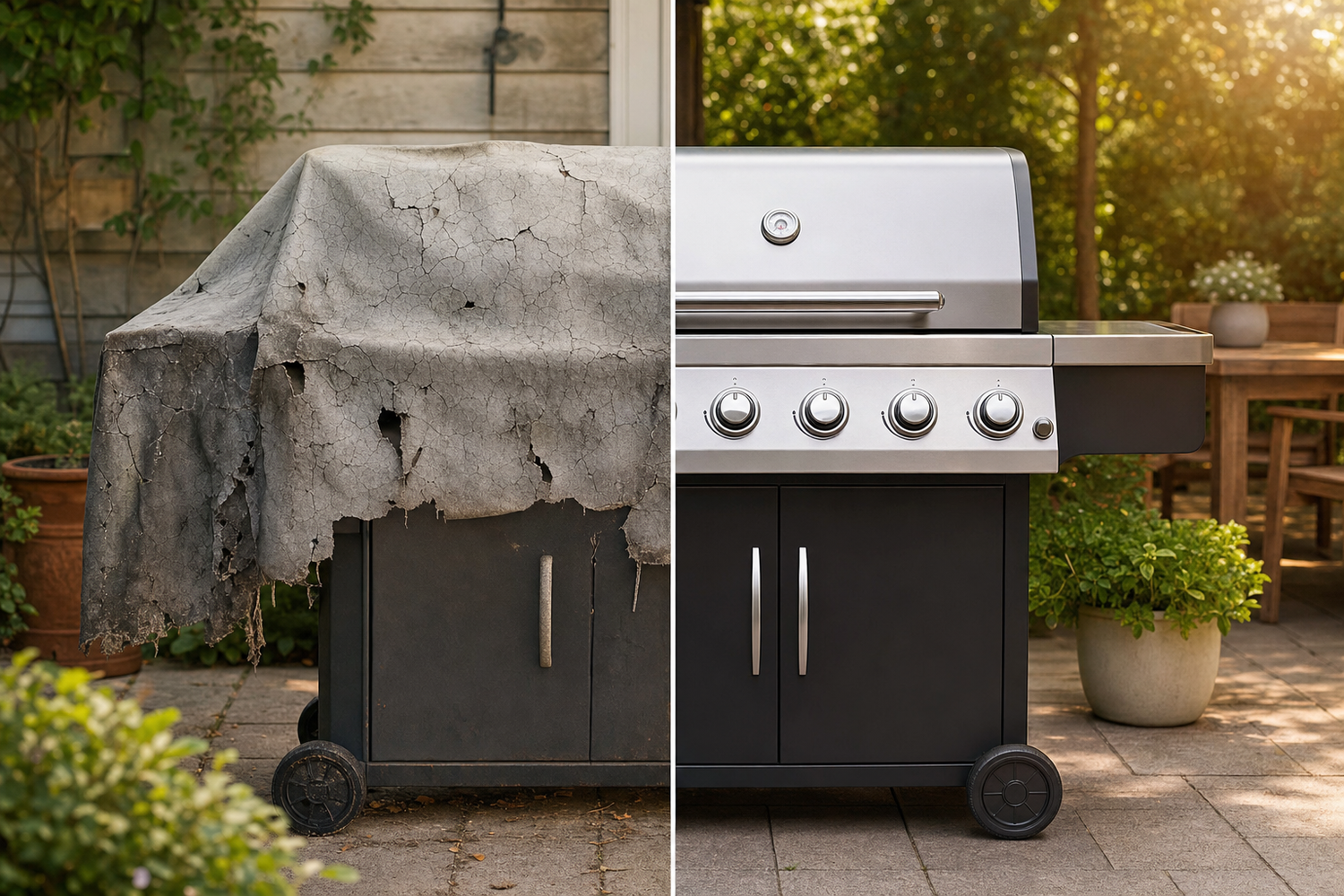
The 10-Minute Wipe-On That Outlasts the $80 Grill Cover You Just Bought (And the Math That Made Us Stop Buying Covers Entirely)
Most grill owners are on their second or third cover before they realize covers protect themselves from the elements, not the grill. Here is the math on why a 10-minute ceramic coating application beats years of cover replacement spending.
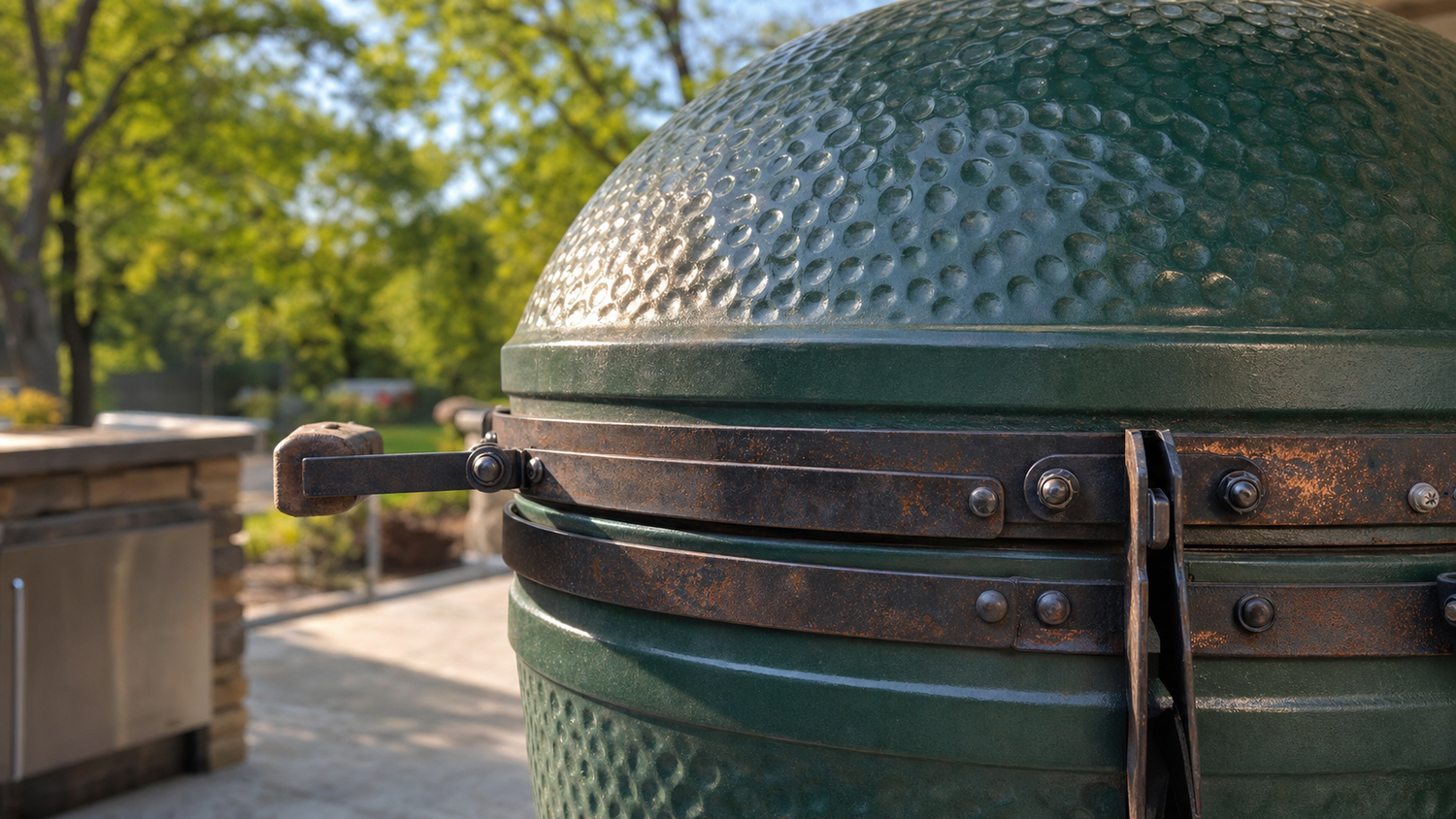
Kamado Owners: Your $1,500 Ceramic Egg Has a Hidden Weakness (And It Is Not the Ceramic)
Your kamado's ceramic dome will last decades -- but the metal bands, hinges, and exterior finish fail much sooner. Here's why the hardware is your $1,500 grill's real vulnerability, and what to do about it before year three.
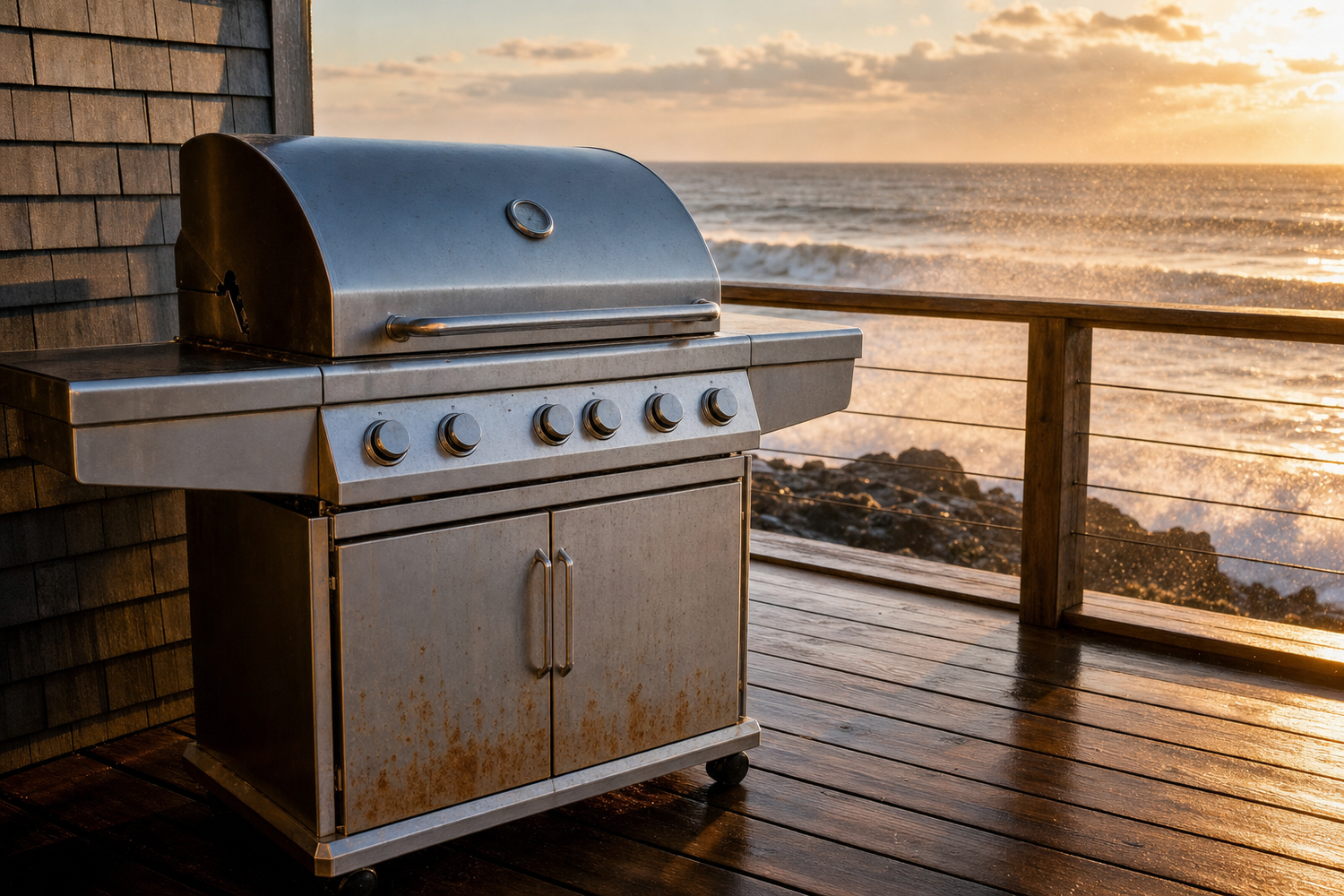
If You Grill Near the Coast, Your Grill's Real Lifespan Is 3 Years. Here Is Why.
Near saltwater, your grill corrodes 5-10x faster -- even stainless steel. Here is the science behind coastal grill failure and the one strategy that genuinely doubles your grill's lifespan.
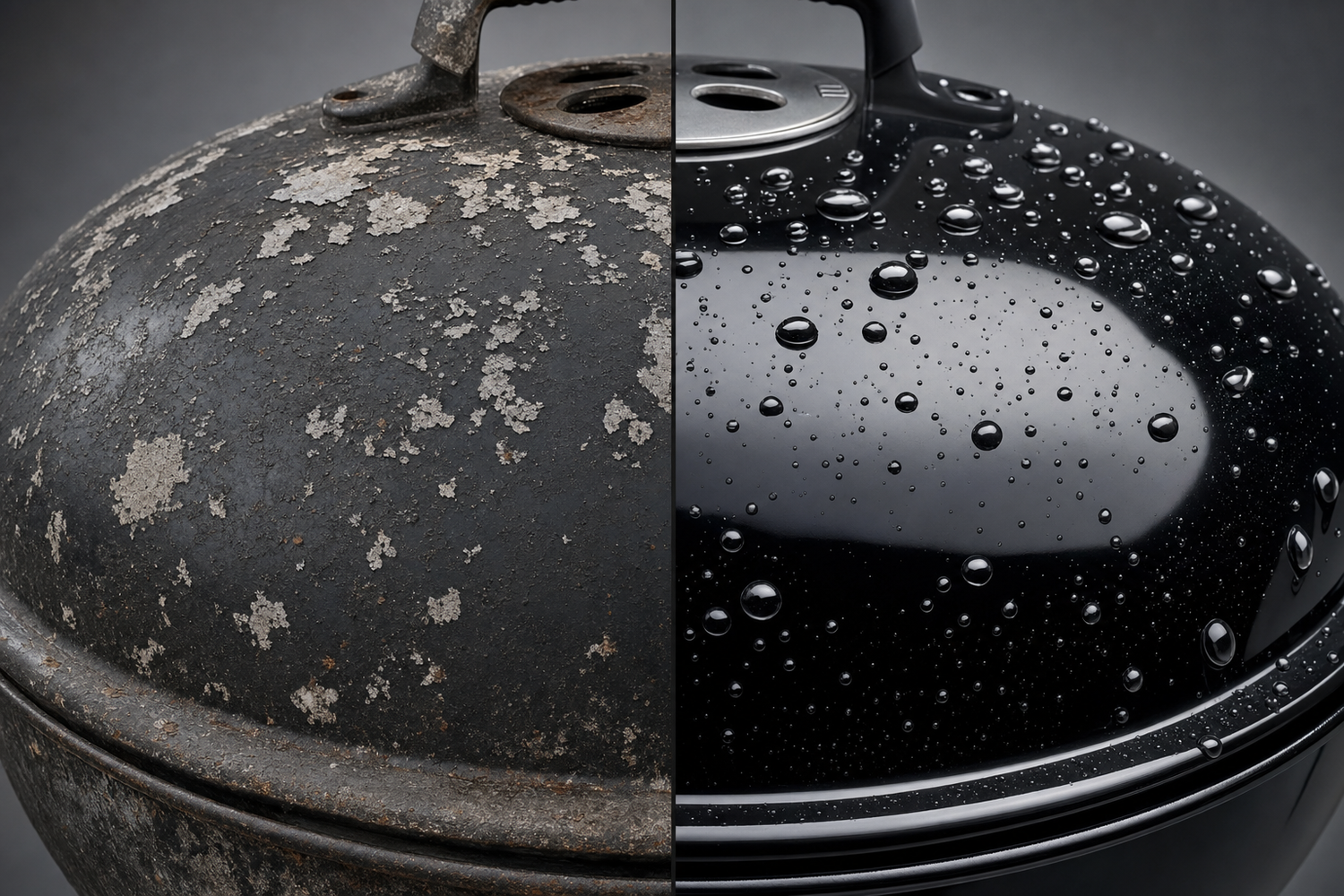
High-Temp Paint vs Ceramic Coating: One Lasts 6 Months. The Other Lasts Years.
High-temp paint sits on top of metal and fails via chalking and flaking within 1-2 seasons. Ceramic coating forms an actual chemical bond with the surface -- same chemistry as industrial glass coatings -- and lasts years. Here is the molecular difference.
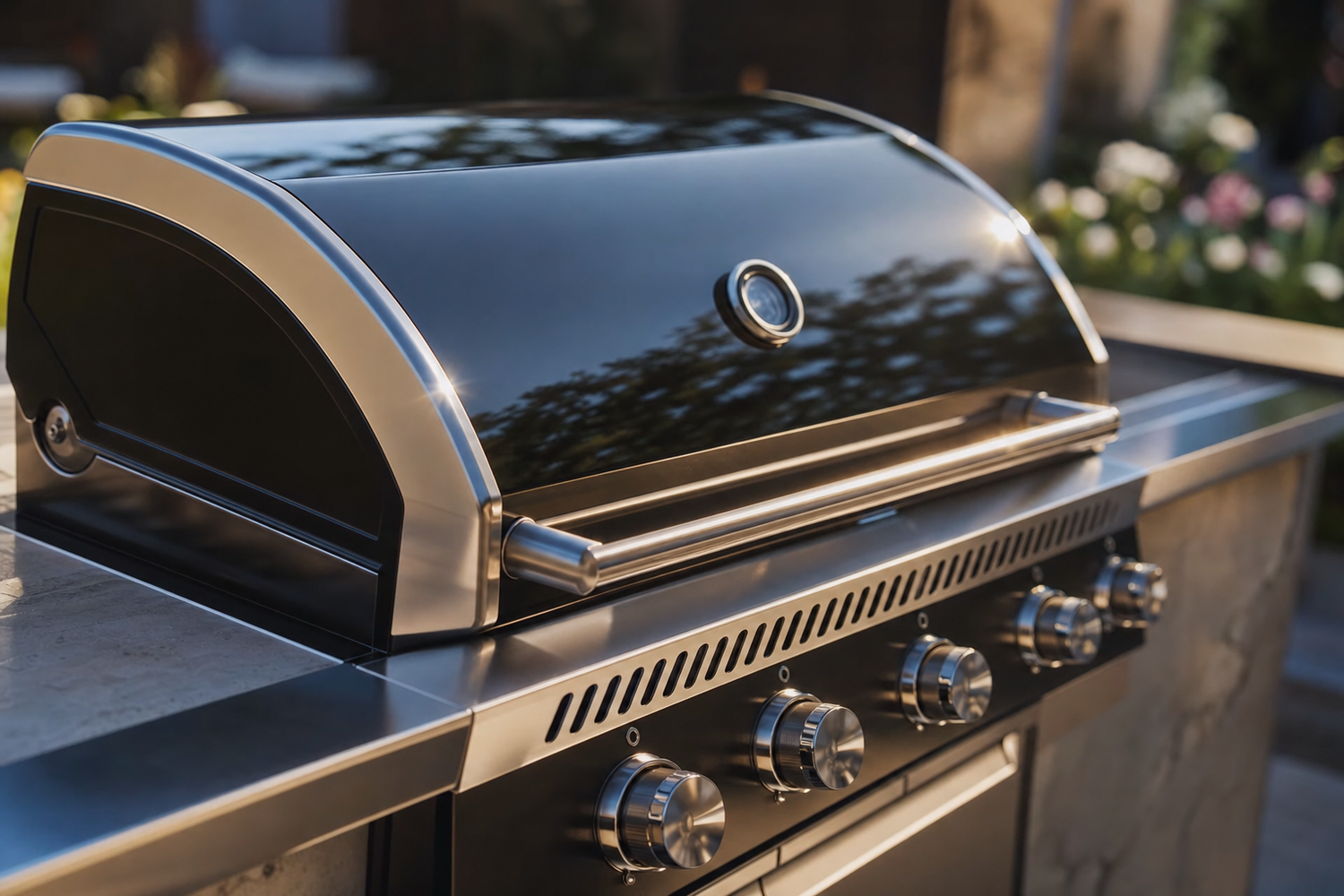
$1,500 for a Ceramic-Coated Car. $119 for a Ceramic-Coated Grill. Same Chemistry, Different Math.
Pro auto ceramic coating runs $1,200 to $2,500 because of paint correction labor -- not the chemistry. Grill substrates skip that step entirely, delivering the same SiO2 bonding technology at a fraction of the cost.
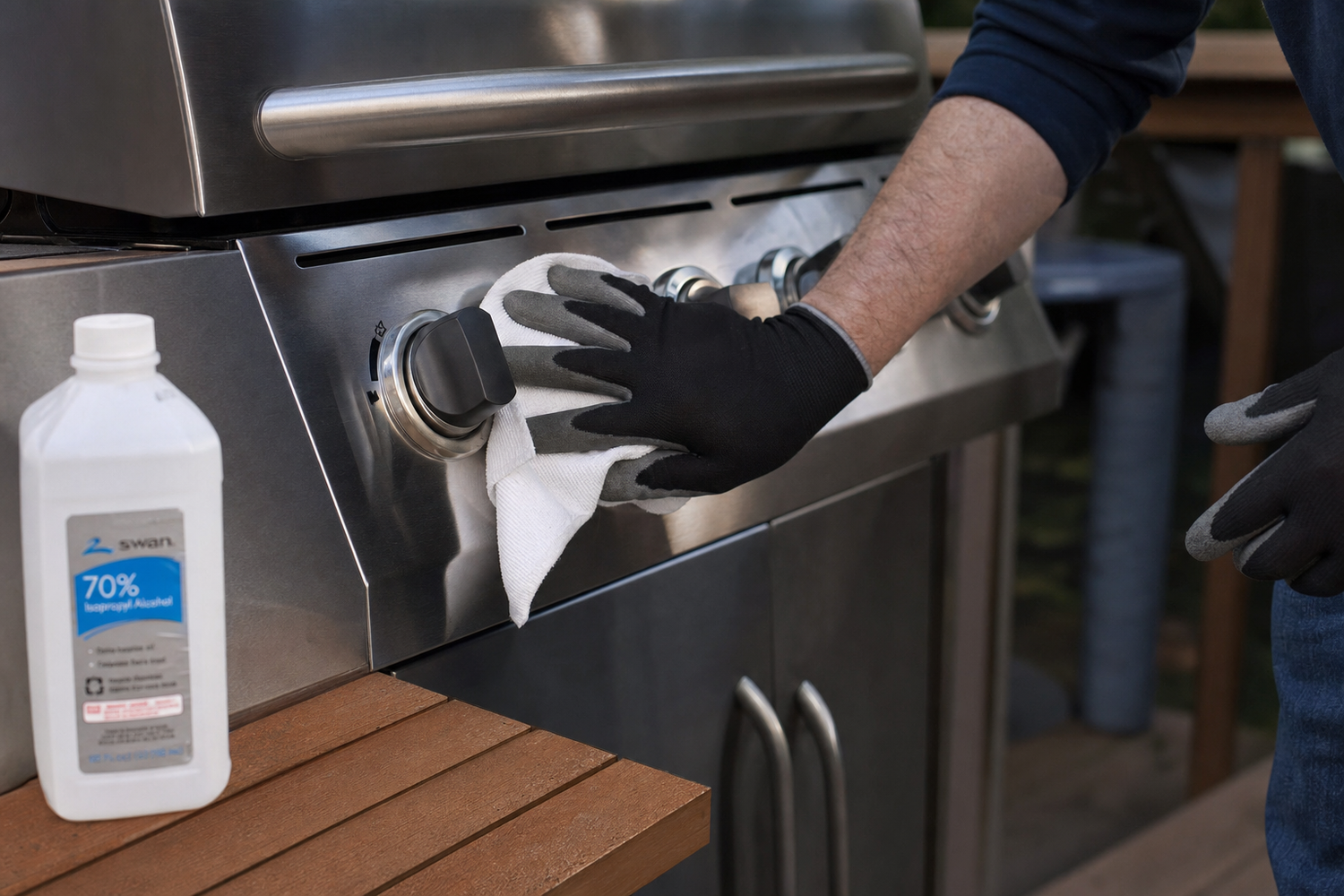
Why Most Grill Coatings Fail in 18 Months (And the Surface Prep Step Almost Everyone Skips)
Most grill coatings fail in 18 months -- not because of the product, but because of the surface prep that did not happen first. Three contaminants block bonding, and one 10-minute step removes all of them.